Buy debt.me.uk ?
We are moving the project
debt.me.uk .
Are you interested in purchasing the domain
debt.me.uk ?
domain@kv-gmbh.de · 0541-91531010
Buy debt.me.uk ?
In which subjects am I good at, if they interest me?
If you are good at a subject, it is likely because it interests you and you are motivated to learn more about it. Subjects that you are good at and interested in may include mathematics, science, technology, engineering, art, music, or languages. These subjects often require problem-solving skills, creativity, and critical thinking, which you may excel in when you are passionate about the topic. It is important to explore your interests and strengths to find the subjects that you are good at and enjoy learning about. **
What is the difference between foundational subjects, applied subjects, and method subjects?
Foundational subjects provide the fundamental knowledge and theories in a particular field, such as mathematics or biology. Applied subjects focus on the practical application of these foundational concepts in real-world scenarios, such as engineering or business management. Method subjects teach the specific methodologies and techniques used to conduct research or solve problems within a discipline, such as statistics or research methods. Each type of subject plays a crucial role in developing a well-rounded understanding and skill set in a given area of study. **

Similar search terms for Subjects
Top-Angebote
Products related to Subjects:
-
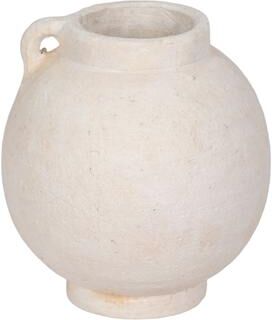
Sagebrook Home Handcrafted Terracotta Pottery Round Vase Modern Visual InterestThis small vase brings contemporary charm to any setting with its handcrafted pottery design and subtly textured terracotta finish, making it a standout among decorative home accents.46,49 $*Shipping: 0,00 $Secure redirect to the provider
-
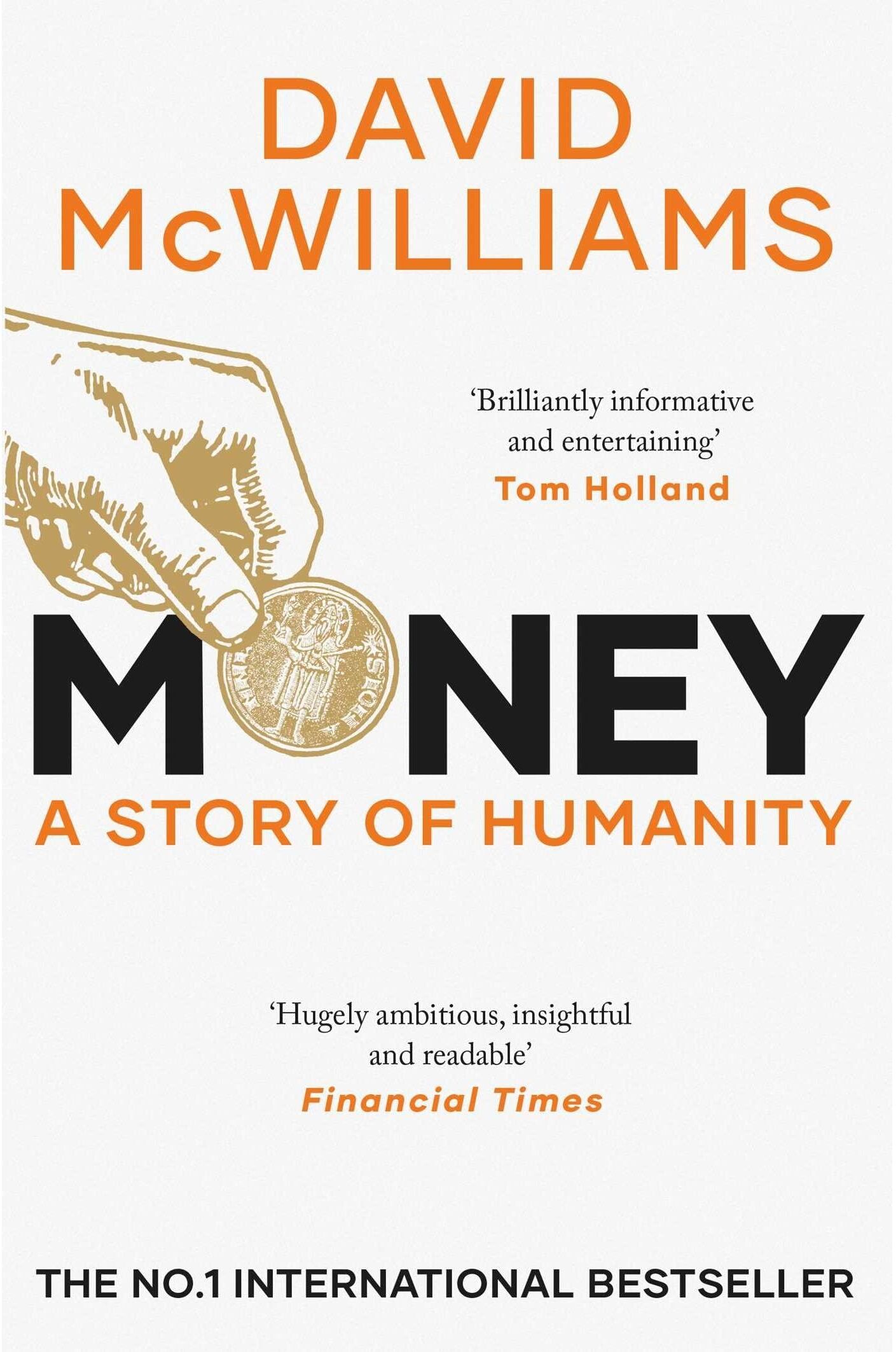
Simon & Schuster Money: A Story of Humanity by David McWilliams Economic History & Global Finance ExplainedIn Money: A Story of Humanity, renowned economist David McWilliams explores the fascinating history of money — not just as currency, but as a powerful force that has shaped human civilisation, relationships, technology, and global society. From ancient barter systems to cryptocurrency revolutions, McWilliams reveals how money reflects our values, ambitions, fears, politics, and culture.Rich with storytelling, sharp insights, and humour, this book makes complex economic ideas accessible, engaging, and deeply human. Perfect for readers who enjoy exploring how history, psychology, markets, and power intersect, Money: A Story of Humanity provides a fresh, eye-opening look at how money drives — and is driven by — human behaviour. Ideal for fans of Yuval Noah Harari, Tim Harford, Niall Ferguson, and Mary Beard.7,99 £*Shipping: 2,99 £Secure redirect to the provider
-
Sagebrook Home Handcrafted Terracotta Pottery Round Vase Modern Visual InterestThis small vase brings contemporary charm to any setting with its handcrafted pottery design and subtly textured terracotta finish, making it a standout among decorative home accents.64,49 $*Shipping: 0,00 $Secure redirect to the provider


-
What is the difference between foundational subjects, applied subjects, and methodological subjects?
Foundational subjects are the core subjects that provide the fundamental knowledge and skills necessary for a particular field of study, such as mathematics or biology. Applied subjects focus on the practical application of knowledge and skills in real-world settings, such as engineering or business management. Methodological subjects, on the other hand, are concerned with the methods and techniques used to conduct research and analyze data within a specific discipline, such as statistics or research methodology. Each type of subject plays a unique role in shaping a student's understanding and expertise in a given field of study. **
-
What is the difference between foundational subjects, applied subjects, and methods subjects?
Foundational subjects provide the fundamental knowledge and theories that form the basis of a particular field of study. Applied subjects focus on the practical application of this knowledge in real-world settings. Methods subjects teach the specific techniques and methodologies used to conduct research or solve problems within a discipline. In summary, foundational subjects establish the theoretical framework, applied subjects demonstrate practical implementation, and methods subjects provide the tools for analysis and problem-solving. **
-
Which subjects count for the Abitur and what do voluntary subjects bring me?
In the Abitur, the core subjects typically include mathematics, German, a foreign language, and a natural science (e.g. biology, chemistry, or physics). In addition to these core subjects, students can choose elective or voluntary subjects such as art, music, history, geography, or economics. These voluntary subjects allow students to explore their interests and strengths, and can also contribute to their overall Abitur grade. Additionally, excelling in voluntary subjects can demonstrate a well-rounded education and may be beneficial for university admissions or future career opportunities. **
-
'Which subjects?'
Subjects such as mathematics, science, history, and language arts are typically included in a standard school curriculum. These subjects provide students with a well-rounded education and help them develop important skills such as critical thinking, problem-solving, and communication. Additionally, subjects like art, music, physical education, and foreign languages are often included to offer students a diverse range of learning experiences. **


Which subjects are suitable for me?
The subjects that are suitable for you depend on your interests, strengths, and career goals. Consider subjects that you enjoy and excel in, as well as those that align with your future aspirations. If you are passionate about science and technology, you may find subjects like physics, chemistry, and computer science suitable for you. On the other hand, if you have a strong interest in the arts and humanities, subjects like literature, history, and languages may be a better fit. It's important to explore different subjects and seek guidance from teachers or career counselors to determine which ones are most suitable for you. **
Are main subjects or minor subjects more important?
Both main subjects and minor subjects are important in their own ways. Main subjects provide the foundational knowledge and skills necessary for a particular field or discipline, while minor subjects offer additional depth and specialization. The importance of each subject may vary depending on individual goals and career aspirations. It is essential to strike a balance between main and minor subjects to ensure a well-rounded education and skill set. **
Top-Angebote
Products related to Subjects:
-
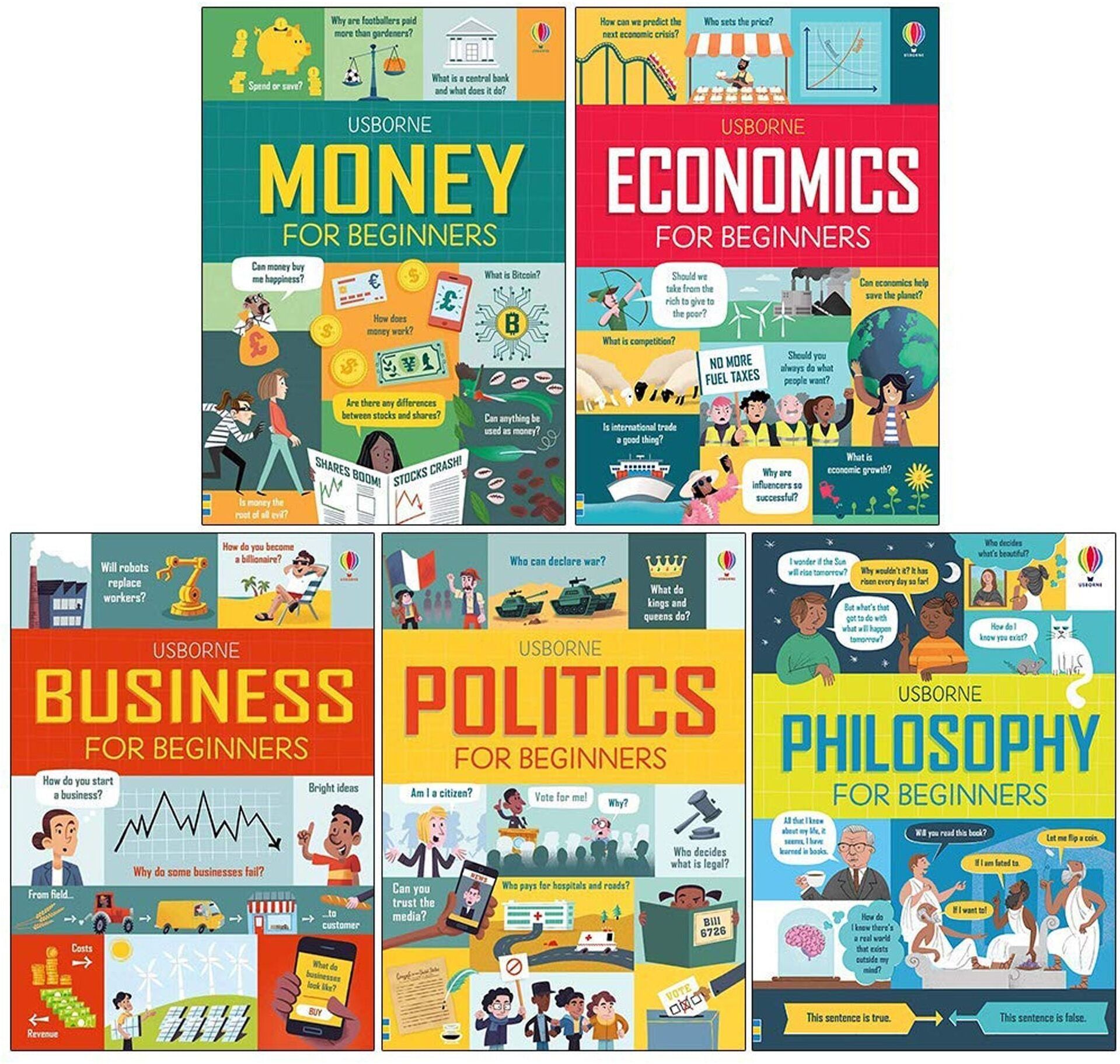
Usborne Big Subjects for Beginners 5 Books Collection Box Set Money, Economics, Business, Politics & Philosophy – Illustrated Educational Learning GHelp children understand the world around them with the Usborne Big Subjects for Beginners – 5 Books Collection Box Set, a beautifully illustrated introduction to some of the most important topics in modern life. Each book breaks down complex ideas into simple, engaging explanations perfect for kids, beginners, and curious young minds.Packed with colourful diagrams, friendly illustrations, quick facts, and clear examples, this set helps young readers explore big ideas with confidence. This educational collection includes: Money for Beginners – Understanding money, saving, spending, and how currency works. Economics for Beginners – Supply, demand, trade, markets, and how economies function. Business for Beginners – How businesses start, operate, grow, and succeed. Politics for Beginners – Governments, elections, laws, democracy, and world politics explained. Philosophy for Beginners – Big questions about life, knowledge, ethics, and thinking skills. Perfect for ages 9–14, home learning, school topics, and young readers who love discovering new knowledge. Related Tags: Usborne, Usbourne Books19,99 £*Shipping: 2,99 £Secure redirect to the provider
-
Sagebrook Home Handcrafted Terracotta Pottery Round Vase Modern Visual InterestThis small vase brings contemporary charm to any setting with its handcrafted pottery design and subtly textured terracotta finish, making it a standout among decorative home accents.46,49 $*Shipping: 0,00 $Secure redirect to the provider
-
In which subjects am I good at, if they interest me?
If you are good at a subject, it is likely because it interests you and you are motivated to learn more about it. Subjects that you are good at and interested in may include mathematics, science, technology, engineering, art, music, or languages. These subjects often require problem-solving skills, creativity, and critical thinking, which you may excel in when you are passionate about the topic. It is important to explore your interests and strengths to find the subjects that you are good at and enjoy learning about. **
-
What is the difference between foundational subjects, applied subjects, and method subjects?
Foundational subjects provide the fundamental knowledge and theories in a particular field, such as mathematics or biology. Applied subjects focus on the practical application of these foundational concepts in real-world scenarios, such as engineering or business management. Method subjects teach the specific methodologies and techniques used to conduct research or solve problems within a discipline, such as statistics or research methods. Each type of subject plays a crucial role in developing a well-rounded understanding and skill set in a given area of study. **
-
What is the difference between foundational subjects, applied subjects, and methodological subjects?
Foundational subjects are the core subjects that provide the fundamental knowledge and skills necessary for a particular field of study, such as mathematics or biology. Applied subjects focus on the practical application of knowledge and skills in real-world settings, such as engineering or business management. Methodological subjects, on the other hand, are concerned with the methods and techniques used to conduct research and analyze data within a specific discipline, such as statistics or research methodology. Each type of subject plays a unique role in shaping a student's understanding and expertise in a given field of study. **
-
What is the difference between foundational subjects, applied subjects, and methods subjects?
Foundational subjects provide the fundamental knowledge and theories that form the basis of a particular field of study. Applied subjects focus on the practical application of this knowledge in real-world settings. Methods subjects teach the specific techniques and methodologies used to conduct research or solve problems within a discipline. In summary, foundational subjects establish the theoretical framework, applied subjects demonstrate practical implementation, and methods subjects provide the tools for analysis and problem-solving. **
Similar search terms for Subjects
-
Simon & Schuster Money: A Story of Humanity by David McWilliams Economic History & Global Finance ExplainedIn Money: A Story of Humanity, renowned economist David McWilliams explores the fascinating history of money — not just as currency, but as a powerful force that has shaped human civilisation, relationships, technology, and global society. From ancient barter systems to cryptocurrency revolutions, McWilliams reveals how money reflects our values, ambitions, fears, politics, and culture.Rich with storytelling, sharp insights, and humour, this book makes complex economic ideas accessible, engaging, and deeply human. Perfect for readers who enjoy exploring how history, psychology, markets, and power intersect, Money: A Story of Humanity provides a fresh, eye-opening look at how money drives — and is driven by — human behaviour. Ideal for fans of Yuval Noah Harari, Tim Harford, Niall Ferguson, and Mary Beard.7,99 £*Shipping: 2,99 £Secure redirect to the provider
-
Sagebrook Home Handcrafted Terracotta Pottery Round Vase Modern Visual InterestThis small vase brings contemporary charm to any setting with its handcrafted pottery design and subtly textured terracotta finish, making it a standout among decorative home accents.64,49 $*Shipping: 0,00 $Secure redirect to the provider
-
Sagebrook Home Handcrafted Terracotta Pottery Round Vase Modern Visual InterestThis small vase brings contemporary charm to any setting with its handcrafted pottery design and subtly textured terracotta finish, making it a standout among decorative home accents.87,99 $*Shipping: 0,00 $Secure redirect to the provider
-
Sagebrook Home Handcrafted Terracotta Pottery Round Vase Modern Visual InterestThis small vase brings contemporary charm to any setting with its handcrafted pottery design and subtly textured terracotta finish, making it a standout among decorative home accents.37,49 $*Shipping: 0,00 $Secure redirect to the provider
-
Which subjects count for the Abitur and what do voluntary subjects bring me?
In the Abitur, the core subjects typically include mathematics, German, a foreign language, and a natural science (e.g. biology, chemistry, or physics). In addition to these core subjects, students can choose elective or voluntary subjects such as art, music, history, geography, or economics. These voluntary subjects allow students to explore their interests and strengths, and can also contribute to their overall Abitur grade. Additionally, excelling in voluntary subjects can demonstrate a well-rounded education and may be beneficial for university admissions or future career opportunities. **
-
'Which subjects?'
Subjects such as mathematics, science, history, and language arts are typically included in a standard school curriculum. These subjects provide students with a well-rounded education and help them develop important skills such as critical thinking, problem-solving, and communication. Additionally, subjects like art, music, physical education, and foreign languages are often included to offer students a diverse range of learning experiences. **
-
Which subjects are suitable for me?
The subjects that are suitable for you depend on your interests, strengths, and career goals. Consider subjects that you enjoy and excel in, as well as those that align with your future aspirations. If you are passionate about science and technology, you may find subjects like physics, chemistry, and computer science suitable for you. On the other hand, if you have a strong interest in the arts and humanities, subjects like literature, history, and languages may be a better fit. It's important to explore different subjects and seek guidance from teachers or career counselors to determine which ones are most suitable for you. **
-
Are main subjects or minor subjects more important?
Both main subjects and minor subjects are important in their own ways. Main subjects provide the foundational knowledge and skills necessary for a particular field or discipline, while minor subjects offer additional depth and specialization. The importance of each subject may vary depending on individual goals and career aspirations. It is essential to strike a balance between main and minor subjects to ensure a well-rounded education and skill set. **
* All prices are inclusive of VAT and, if applicable, plus shipping costs. The offer information is based on the details provided by the respective shop and is updated through automated processes. Real-time updates do not occur, so deviations can occur in individual cases. ** Note: Parts of this content were created by AI.