Buy debt.me.uk ?
We are moving the project
debt.me.uk .
Are you interested in purchasing the domain
debt.me.uk ?
domain@kv-gmbh.de · 0541-91531010
Buy debt.me.uk ?
Can someone explain polyphony to me?
Polyphony is a musical texture that features two or more independent melodic lines played or sung simultaneously. Each line has its own rhythm and contour, and they interact with each other to create a rich and complex sound. Polyphony is often associated with Renaissance and Baroque music, and it requires a high level of skill and coordination from the performers to maintain the independence of the different voices. This texture contrasts with homophony, where all voices move together in harmony, and monophony, where there is only one melodic line. **
What is Dutch vocal polyphony?
Dutch vocal polyphony is a style of music that emerged in the Netherlands during the Renaissance period. It is characterized by the use of multiple independent vocal lines, each with its own melody, rhythm, and text, creating rich harmonies and intricate textures. Dutch composers such as Jan Pieterszoon Sweelinck were known for their contributions to this genre, which was popular in both sacred and secular settings. The use of vocal polyphony allowed for a high level of expressiveness and complexity in the music, making it a significant part of the Dutch musical tradition. **


Similar search terms for Polyphony
Top-Angebote
Products related to Polyphony:
-
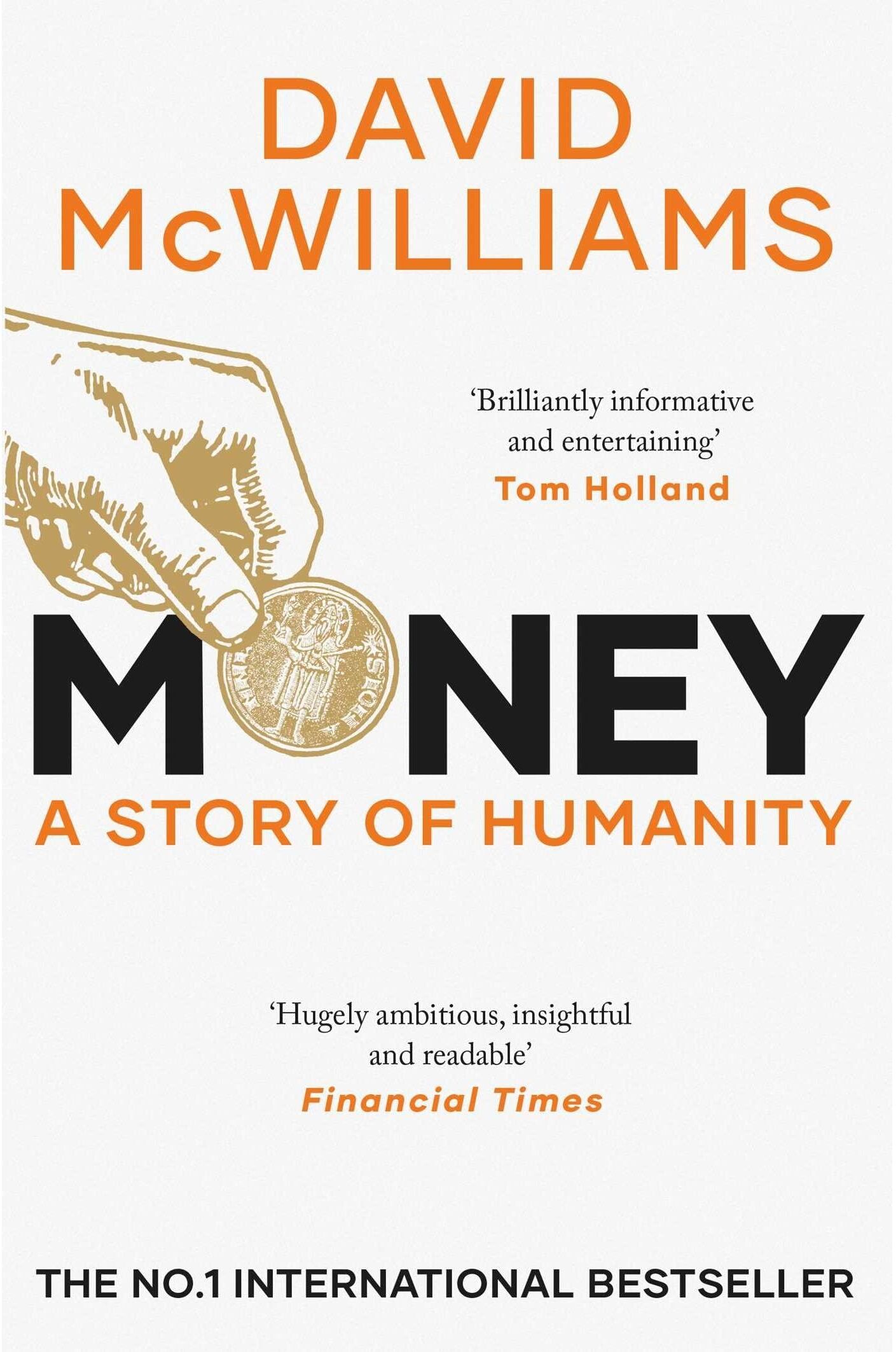
Simon & Schuster Money: A Story of Humanity by David McWilliams Economic History & Global Finance ExplainedIn Money: A Story of Humanity, renowned economist David McWilliams explores the fascinating history of money — not just as currency, but as a powerful force that has shaped human civilisation, relationships, technology, and global society. From ancient barter systems to cryptocurrency revolutions, McWilliams reveals how money reflects our values, ambitions, fears, politics, and culture.Rich with storytelling, sharp insights, and humour, this book makes complex economic ideas accessible, engaging, and deeply human. Perfect for readers who enjoy exploring how history, psychology, markets, and power intersect, Money: A Story of Humanity provides a fresh, eye-opening look at how money drives — and is driven by — human behaviour. Ideal for fans of Yuval Noah Harari, Tim Harford, Niall Ferguson, and Mary Beard.7,99 £*Shipping: 2,99 £Secure redirect to the provider
-
Harpercollins UK Ltd Shatter Me Collectors Edition By Tahereh Mafi 4 Books Collection Set (Shatter Me, Unravel Me, Ignite Me, Restore Me)Shatter Me (Book 1) A fragile young teenage girl is held captive. Locked in a cell by The Reestablishment – a harsh dictatorship in charge of a crumbling world. This is no ordinary teenager. Juliette is a threat to The Reestablishment's power. A touch from her can kill – one touch is all it takes. But not only is she a threat, she is potentially the most powerful weapon they could have. Juliette has never fought for herself before but when she’s reunited with the one person who ever cared about her, the depth of the emotion and the power within her become explosive… Unravel Me (Book 2) Juliette has escaped. She has found the headquarters of the rebel resistance – and people like her. People with gifts. She is free from The Reestablishment, free from their plan to use her as a weapon, and free to love Adam. But Juliette will never be free from her lethal touch. Or from Warner, who wants Juliette more than she ever thought possible. In this heart-racing sequel to the New York Times bestselling Shatter Me, Juliette has to make life-changing decisions between what she wants and what she thinks is right. Decisions that might involve choosing between her heartand the life of those she loves. Ignite Me (Book 3) With Omega Point destroyed, Juliette doesn't know if the rebels, her friends, or even Adam are alive. But that won't keep her from trying to take down The Reestablishment once and for all. Now she must rely on Warner. The one person she never thought she could trust. The same person who saved her life. He promises to help Juliette master her powers and save their dying world … but that's not all he wants with her. Restore Me (Book 4) The girl with the power to kill with a single touch now has the world in the palm of her hand. Juliette Ferrars thought she’d won. She took over Sector 45, was named the new Supreme Commander of North America, and now has Warner by her side. But when tragedy strikes, she must confront the darkness that dwells both around and inside her. Who will she become in the face of adversity? Will she be able to control the power she wields, and use it for good?39,95 £*Shipping: 0,00 £Secure redirect to the provider
-
Sagebrook Home Handcrafted Terracotta Pottery Round Vase Modern Visual InterestThis small vase brings contemporary charm to any setting with its handcrafted pottery design and subtly textured terracotta finish, making it a standout among decorative home accents.42,56 $*Shipping: 0,00 $Secure redirect to the provider



-
What is the difference between polyphony and homophony?
Polyphony is a musical texture where two or more independent melodic lines are played simultaneously. Each line has its own rhythm and melody, creating a complex and layered sound. Homophony, on the other hand, is a musical texture where all voices or instruments move together in harmony, supporting a single melody. In homophony, there is a clear distinction between the melody and the accompanying parts, creating a more unified and harmonious sound. **
-
Can you explain the history of early polyphony?
Early polyphony emerged in Western music during the medieval period, around the 9th century. It involved the simultaneous singing of two or more independent melodic lines. Initially, early polyphony was primarily found in sacred music, particularly in Gregorian chant. Over time, composers began to experiment with adding additional voices and creating more complex harmonies, leading to the development of intricate polyphonic compositions. This marked a significant shift from the monophonic music of the early Middle Ages and laid the foundation for the rich polyphonic textures of the Renaissance period. **
-
What is the difference between homophony and polyphony?
Homophony is a musical texture in which a single melody is supported by a harmonic accompaniment, creating a clear distinction between the main melody and the supporting harmonies. Polyphony, on the other hand, is a musical texture in which two or more independent melodies are played or sung simultaneously, creating a more complex and layered sound. In homophony, all voices or instruments move together rhythmically, while in polyphony, each voice or instrument has its own rhythm and melodic independence. Overall, homophony emphasizes harmony and a clear main melody, while polyphony emphasizes the interplay of multiple independent melodies. **
-
What does polyphony mean in a digital piano?
Polyphony in a digital piano refers to the number of individual notes or voices that the instrument can produce simultaneously. For example, if a digital piano has a polyphony of 64, it means that it can play up to 64 notes at the same time. This is important for more complex pieces of music that require multiple notes to be played at once, as a higher polyphony allows for a richer and more realistic sound. It is especially important for advanced players and composers who need to create intricate and layered compositions. **


What is the difference between polyphony and canon?
Polyphony refers to a musical texture where two or more independent melodic lines are played simultaneously. Each line has its own rhythm and melody, creating a rich and complex sound. On the other hand, a canon is a specific type of polyphonic composition where a melody is imitated by one or more voices at a fixed time interval. In a canon, the same melody is repeated by different voices, creating a layered and contrapuntal effect. While both polyphony and canon involve multiple independent voices, the key difference lies in the specific imitation of a melody in a canon. **
What is the difference between musical polyphony and counterpoint?
Musical polyphony refers to the simultaneous combination of two or more independent melodic lines, creating a texture where multiple voices are heard at the same time. Counterpoint, on the other hand, is the technique of writing music in which two or more melodic lines are interwoven and interact with each other. In other words, counterpoint is a specific method of creating polyphony, focusing on the relationship and interaction between the different melodic lines. While polyphony is a broader concept that encompasses any music with multiple independent voices, counterpoint specifically refers to the rules and techniques for writing and organizing those voices. **
Top-Angebote
Products related to Polyphony:
-
Sagebrook Home Handcrafted Terracotta Pottery Round Vase Modern Visual InterestThis small vase brings contemporary charm to any setting with its handcrafted pottery design and subtly textured terracotta finish, making it a standout among decorative home accents.40,45 $*Shipping: 0,00 $Secure redirect to the provider
-
Simon & Schuster Money: A Story of Humanity by David McWilliams Economic History & Global Finance ExplainedIn Money: A Story of Humanity, renowned economist David McWilliams explores the fascinating history of money — not just as currency, but as a powerful force that has shaped human civilisation, relationships, technology, and global society. From ancient barter systems to cryptocurrency revolutions, McWilliams reveals how money reflects our values, ambitions, fears, politics, and culture.Rich with storytelling, sharp insights, and humour, this book makes complex economic ideas accessible, engaging, and deeply human. Perfect for readers who enjoy exploring how history, psychology, markets, and power intersect, Money: A Story of Humanity provides a fresh, eye-opening look at how money drives — and is driven by — human behaviour. Ideal for fans of Yuval Noah Harari, Tim Harford, Niall Ferguson, and Mary Beard.7,99 £*Shipping: 2,99 £Secure redirect to the provider
-
Can someone explain polyphony to me?
Polyphony is a musical texture that features two or more independent melodic lines played or sung simultaneously. Each line has its own rhythm and contour, and they interact with each other to create a rich and complex sound. Polyphony is often associated with Renaissance and Baroque music, and it requires a high level of skill and coordination from the performers to maintain the independence of the different voices. This texture contrasts with homophony, where all voices move together in harmony, and monophony, where there is only one melodic line. **
-
What is Dutch vocal polyphony?
Dutch vocal polyphony is a style of music that emerged in the Netherlands during the Renaissance period. It is characterized by the use of multiple independent vocal lines, each with its own melody, rhythm, and text, creating rich harmonies and intricate textures. Dutch composers such as Jan Pieterszoon Sweelinck were known for their contributions to this genre, which was popular in both sacred and secular settings. The use of vocal polyphony allowed for a high level of expressiveness and complexity in the music, making it a significant part of the Dutch musical tradition. **
-
What is the difference between polyphony and homophony?
Polyphony is a musical texture where two or more independent melodic lines are played simultaneously. Each line has its own rhythm and melody, creating a complex and layered sound. Homophony, on the other hand, is a musical texture where all voices or instruments move together in harmony, supporting a single melody. In homophony, there is a clear distinction between the melody and the accompanying parts, creating a more unified and harmonious sound. **
-
Can you explain the history of early polyphony?
Early polyphony emerged in Western music during the medieval period, around the 9th century. It involved the simultaneous singing of two or more independent melodic lines. Initially, early polyphony was primarily found in sacred music, particularly in Gregorian chant. Over time, composers began to experiment with adding additional voices and creating more complex harmonies, leading to the development of intricate polyphonic compositions. This marked a significant shift from the monophonic music of the early Middle Ages and laid the foundation for the rich polyphonic textures of the Renaissance period. **
Similar search terms for Polyphony
-
Harpercollins UK Ltd Shatter Me Collectors Edition By Tahereh Mafi 4 Books Collection Set (Shatter Me, Unravel Me, Ignite Me, Restore Me)Shatter Me (Book 1) A fragile young teenage girl is held captive. Locked in a cell by The Reestablishment – a harsh dictatorship in charge of a crumbling world. This is no ordinary teenager. Juliette is a threat to The Reestablishment's power. A touch from her can kill – one touch is all it takes. But not only is she a threat, she is potentially the most powerful weapon they could have. Juliette has never fought for herself before but when she’s reunited with the one person who ever cared about her, the depth of the emotion and the power within her become explosive… Unravel Me (Book 2) Juliette has escaped. She has found the headquarters of the rebel resistance – and people like her. People with gifts. She is free from The Reestablishment, free from their plan to use her as a weapon, and free to love Adam. But Juliette will never be free from her lethal touch. Or from Warner, who wants Juliette more than she ever thought possible. In this heart-racing sequel to the New York Times bestselling Shatter Me, Juliette has to make life-changing decisions between what she wants and what she thinks is right. Decisions that might involve choosing between her heartand the life of those she loves. Ignite Me (Book 3) With Omega Point destroyed, Juliette doesn't know if the rebels, her friends, or even Adam are alive. But that won't keep her from trying to take down The Reestablishment once and for all. Now she must rely on Warner. The one person she never thought she could trust. The same person who saved her life. He promises to help Juliette master her powers and save their dying world … but that's not all he wants with her. Restore Me (Book 4) The girl with the power to kill with a single touch now has the world in the palm of her hand. Juliette Ferrars thought she’d won. She took over Sector 45, was named the new Supreme Commander of North America, and now has Warner by her side. But when tragedy strikes, she must confront the darkness that dwells both around and inside her. Who will she become in the face of adversity? Will she be able to control the power she wields, and use it for good?39,95 £*Shipping: 0,00 £Secure redirect to the provider
-
Sagebrook Home Handcrafted Terracotta Pottery Round Vase Modern Visual InterestThis small vase brings contemporary charm to any setting with its handcrafted pottery design and subtly textured terracotta finish, making it a standout among decorative home accents.42,56 $*Shipping: 0,00 $Secure redirect to the provider
-
Sagebrook Home Handcrafted Terracotta Pottery Round Vase Modern Visual InterestThis small vase brings contemporary charm to any setting with its handcrafted pottery design and subtly textured terracotta finish, making it a standout among decorative home accents.65,99 $*Shipping: 0,00 $Secure redirect to the provider
-
Sagebrook Home Handcrafted Terracotta Pottery Round Vase Modern Visual InterestThis small vase brings contemporary charm to any setting with its handcrafted pottery design and subtly textured terracotta finish, making it a standout among decorative home accents.37,49 $*Shipping: 0,00 $Secure redirect to the provider
-
What is the difference between homophony and polyphony?
Homophony is a musical texture in which a single melody is supported by a harmonic accompaniment, creating a clear distinction between the main melody and the supporting harmonies. Polyphony, on the other hand, is a musical texture in which two or more independent melodies are played or sung simultaneously, creating a more complex and layered sound. In homophony, all voices or instruments move together rhythmically, while in polyphony, each voice or instrument has its own rhythm and melodic independence. Overall, homophony emphasizes harmony and a clear main melody, while polyphony emphasizes the interplay of multiple independent melodies. **
-
What does polyphony mean in a digital piano?
Polyphony in a digital piano refers to the number of individual notes or voices that the instrument can produce simultaneously. For example, if a digital piano has a polyphony of 64, it means that it can play up to 64 notes at the same time. This is important for more complex pieces of music that require multiple notes to be played at once, as a higher polyphony allows for a richer and more realistic sound. It is especially important for advanced players and composers who need to create intricate and layered compositions. **
-
What is the difference between polyphony and canon?
Polyphony refers to a musical texture where two or more independent melodic lines are played simultaneously. Each line has its own rhythm and melody, creating a rich and complex sound. On the other hand, a canon is a specific type of polyphonic composition where a melody is imitated by one or more voices at a fixed time interval. In a canon, the same melody is repeated by different voices, creating a layered and contrapuntal effect. While both polyphony and canon involve multiple independent voices, the key difference lies in the specific imitation of a melody in a canon. **
-
What is the difference between musical polyphony and counterpoint?
Musical polyphony refers to the simultaneous combination of two or more independent melodic lines, creating a texture where multiple voices are heard at the same time. Counterpoint, on the other hand, is the technique of writing music in which two or more melodic lines are interwoven and interact with each other. In other words, counterpoint is a specific method of creating polyphony, focusing on the relationship and interaction between the different melodic lines. While polyphony is a broader concept that encompasses any music with multiple independent voices, counterpoint specifically refers to the rules and techniques for writing and organizing those voices. **
* All prices are inclusive of VAT and, if applicable, plus shipping costs. The offer information is based on the details provided by the respective shop and is updated through automated processes. Real-time updates do not occur, so deviations can occur in individual cases. ** Note: Parts of this content were created by AI.