Buy debt.me.uk ?
We are moving the project
debt.me.uk .
Are you interested in purchasing the domain
debt.me.uk ?
domain@kv-gmbh.de · 0541-91531010
Buy debt.me.uk ?
Is there a difference between CPP and CXX?
Yes, there is a difference between CPP and CXX. CPP typically refers to the C Preprocessor, which is a tool used to process C and C++ source code before compilation. On the other hand, CXX is often used as an environment variable to specify the C++ compiler to be used during compilation. In summary, CPP is a preprocessor tool while CXX is a compiler variable. **
How should I save a CPP file in order to execute it?
To save a CPP file in order to execute it, you should first write your C++ code in a text editor or an Integrated Development Environment (IDE) such as Visual Studio or Code::Blocks. Once you have written your code, save the file with a .cpp extension, for example, "myprogram.cpp". After saving the file, you can compile and execute it using a C++ compiler such as g++, which will generate an executable file that you can run on your computer. **


Similar search terms for Cpp
Top-Angebote
Products related to Cpp:
-
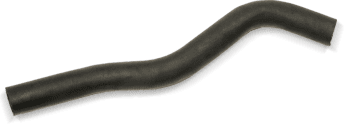
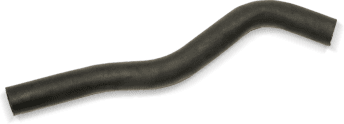
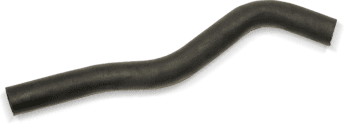
NTY CPP-ME-076 Radiator hoseFitting Position: Lower Right; Supplementary Article / Supplementary Info: with quick coupling; Inner Diameter 1 [mm]: 33; Inner Diameter 2 [mm]: 40; Material: EPDM (ethylene propylene diene Monomer (M-class) rubber); Cooling Hose: from engine cooler to water pump19,49 £*Shipping: 8,45 £Secure redirect to the provider
-
NTY CPP-ME-082 Radiator hoseFitting Position: Upper Left; Supplementary Article / Supplementary Info: with quick coupling; Inner Diameter 1 [mm]: 33; Inner Diameter 2 [mm]: 33; Material: EPDM (ethylene propylene diene Monomer (M-class) rubber); Fabrication Number: CPP-ME-08217,49 £*Shipping: 8,45 £Secure redirect to the provider
-
NTY CPP-ME-086 Radiator hoseSupplementary Article / Supplementary Info Info 2: with quick couplers; Inner Diameter 1 [mm]: 36; Inner Diameter 2 [mm]: 36; Material: EPDM (ethylene propylene diene Monomer (M-class) rubber); Cooling Hose: from engine to engine cooler34,99 £*Shipping: 8,45 £Secure redirect to the provider


-
Can you give me a simple example of what goes in the header and in the CPP file to show how to work with it? I want to know what typically goes in the header and what goes in the CPP file.
In a simple example, the header file (.h) typically contains the class declaration, including member variables and function prototypes. For instance, in a class called "Car", the header file might declare private member variables like "int speed" and public member functions like "void accelerate()". The CPP file (.cpp) would then define the member functions declared in the header file, providing the implementation details for each function. For example, the CPP file would include code for the "accelerate()" function that actually increases the speed of the car. This separation allows for better organization and encapsulation of code in object-oriented programming. **
-
Can you give me a simple example of what goes in the header and in the CPP file to show how to work with it? I want to know what usually goes in the header and what goes in the CPP file.
In a simple example, let's say we want to create a class called "Car" with a member variable "color" and a member function "drive". In the header file (Car.h), we would declare the class and its members, like this: ```cpp class Car { public: Car(); // constructor void drive(); // member function private: string color; // member variable }; ``` In the CPP file (Car.cpp), we would define the constructor and the member function, like this: ```cpp #include "Car.h" Car::Car() { color = "red"; } void Car::drive() { cout << "The " << color << " car is driving." << endl; } ``` This separation allows us to keep the class interface (in the header file) separate from its implementation (in the CPP file), making the code more organized and easier to maintain. **
-
How can one take out a loan and then declare bankruptcy?
One can take out a loan and then declare bankruptcy by first obtaining a loan from a lender, such as a bank or financial institution. After taking out the loan, if the individual is unable to repay the debt due to financial hardship, they can file for bankruptcy. Filing for bankruptcy allows the individual to seek legal protection from creditors and have their debts discharged or restructured. However, it's important to note that there are legal and financial implications to declaring bankruptcy, and it's advisable to seek professional advice before taking such a step. **
-
What is an interest-free loan?
An interest-free loan is a loan in which the borrower is not required to pay any interest on the amount borrowed. This means that the borrower only has to repay the principal amount of the loan, without any additional cost for borrowing the money. Interest-free loans are often provided by family or friends, non-profit organizations, or as a promotional offer by financial institutions. **

Is there a loan without interest?
Yes, there are loans available without interest, known as interest-free loans. These loans are typically offered by non-profit organizations, religious institutions, or community groups to help individuals in need. Interest-free loans are often provided as a form of financial assistance and do not accrue interest over time, making them a more affordable borrowing option for those who qualify. **
Should I finance my entire studies with a student loan?
It is not advisable to finance your entire studies with a student loan. While student loans can be helpful in covering some of the costs of education, relying solely on loans can lead to a significant amount of debt that may be difficult to repay after graduation. It is important to explore other options such as scholarships, grants, part-time work, or saving money beforehand to reduce the amount you need to borrow. It is recommended to borrow only what is necessary and to have a clear plan for how you will manage the debt after completing your studies. **
Top-Angebote
Products related to Cpp:
-
NTY CPP-ME-048 Radiator hoseFitting Position: Upper Left; Supplementary Article / Supplementary Info: with quick coupling; Inner Diameter 1 [mm]: 41; Inner Diameter 2 [mm]: 32; Material: EPDM (ethylene propylene diene Monomer (M-class) rubber)15,99 £*Shipping: 8,45 £Secure redirect to the provider
-
NTY CPP-ME-076 Radiator hoseFitting Position: Lower Right; Supplementary Article / Supplementary Info: with quick coupling; Inner Diameter 1 [mm]: 33; Inner Diameter 2 [mm]: 40; Material: EPDM (ethylene propylene diene Monomer (M-class) rubber); Cooling Hose: from engine cooler to water pump19,49 £*Shipping: 8,45 £Secure redirect to the provider
-
Is there a difference between CPP and CXX?
Yes, there is a difference between CPP and CXX. CPP typically refers to the C Preprocessor, which is a tool used to process C and C++ source code before compilation. On the other hand, CXX is often used as an environment variable to specify the C++ compiler to be used during compilation. In summary, CPP is a preprocessor tool while CXX is a compiler variable. **
-
How should I save a CPP file in order to execute it?
To save a CPP file in order to execute it, you should first write your C++ code in a text editor or an Integrated Development Environment (IDE) such as Visual Studio or Code::Blocks. Once you have written your code, save the file with a .cpp extension, for example, "myprogram.cpp". After saving the file, you can compile and execute it using a C++ compiler such as g++, which will generate an executable file that you can run on your computer. **
-
Can you give me a simple example of what goes in the header and in the CPP file to show how to work with it? I want to know what typically goes in the header and what goes in the CPP file.
In a simple example, the header file (.h) typically contains the class declaration, including member variables and function prototypes. For instance, in a class called "Car", the header file might declare private member variables like "int speed" and public member functions like "void accelerate()". The CPP file (.cpp) would then define the member functions declared in the header file, providing the implementation details for each function. For example, the CPP file would include code for the "accelerate()" function that actually increases the speed of the car. This separation allows for better organization and encapsulation of code in object-oriented programming. **
-
Can you give me a simple example of what goes in the header and in the CPP file to show how to work with it? I want to know what usually goes in the header and what goes in the CPP file.
In a simple example, let's say we want to create a class called "Car" with a member variable "color" and a member function "drive". In the header file (Car.h), we would declare the class and its members, like this: ```cpp class Car { public: Car(); // constructor void drive(); // member function private: string color; // member variable }; ``` In the CPP file (Car.cpp), we would define the constructor and the member function, like this: ```cpp #include "Car.h" Car::Car() { color = "red"; } void Car::drive() { cout << "The " << color << " car is driving." << endl; } ``` This separation allows us to keep the class interface (in the header file) separate from its implementation (in the CPP file), making the code more organized and easier to maintain. **
Similar search terms for Cpp
-
NTY CPP-ME-082 Radiator hoseFitting Position: Upper Left; Supplementary Article / Supplementary Info: with quick coupling; Inner Diameter 1 [mm]: 33; Inner Diameter 2 [mm]: 33; Material: EPDM (ethylene propylene diene Monomer (M-class) rubber); Fabrication Number: CPP-ME-08217,49 £*Shipping: 8,45 £Secure redirect to the provider
-
NTY CPP-ME-086 Radiator hoseSupplementary Article / Supplementary Info Info 2: with quick couplers; Inner Diameter 1 [mm]: 36; Inner Diameter 2 [mm]: 36; Material: EPDM (ethylene propylene diene Monomer (M-class) rubber); Cooling Hose: from engine to engine cooler34,99 £*Shipping: 8,45 £Secure redirect to the provider
-
NTY CPP-ME-089 Radiator hoseFitting Position: Lower Left; Supplementary Article / Supplementary Info: with quick coupling; Inner Diameter 1 [mm]: 32; Inner Diameter 2 [mm]: 36; Material: EPDM (ethylene propylene diene Monomer (M-class) rubber); Cooling Hose: from engine to engine cooler15,99 £*Shipping: 8,45 £Secure redirect to the provider
-
How can one take out a loan and then declare bankruptcy?
One can take out a loan and then declare bankruptcy by first obtaining a loan from a lender, such as a bank or financial institution. After taking out the loan, if the individual is unable to repay the debt due to financial hardship, they can file for bankruptcy. Filing for bankruptcy allows the individual to seek legal protection from creditors and have their debts discharged or restructured. However, it's important to note that there are legal and financial implications to declaring bankruptcy, and it's advisable to seek professional advice before taking such a step. **
-
What is an interest-free loan?
An interest-free loan is a loan in which the borrower is not required to pay any interest on the amount borrowed. This means that the borrower only has to repay the principal amount of the loan, without any additional cost for borrowing the money. Interest-free loans are often provided by family or friends, non-profit organizations, or as a promotional offer by financial institutions. **
-
Is there a loan without interest?
Yes, there are loans available without interest, known as interest-free loans. These loans are typically offered by non-profit organizations, religious institutions, or community groups to help individuals in need. Interest-free loans are often provided as a form of financial assistance and do not accrue interest over time, making them a more affordable borrowing option for those who qualify. **
-
Should I finance my entire studies with a student loan?
It is not advisable to finance your entire studies with a student loan. While student loans can be helpful in covering some of the costs of education, relying solely on loans can lead to a significant amount of debt that may be difficult to repay after graduation. It is important to explore other options such as scholarships, grants, part-time work, or saving money beforehand to reduce the amount you need to borrow. It is recommended to borrow only what is necessary and to have a clear plan for how you will manage the debt after completing your studies. **
* All prices are inclusive of VAT and, if applicable, plus shipping costs. The offer information is based on the details provided by the respective shop and is updated through automated processes. Real-time updates do not occur, so deviations can occur in individual cases. ** Note: Parts of this content were created by AI.