Buy debt.me.uk ?
We are moving the project
debt.me.uk .
Are you interested in purchasing the domain
debt.me.uk ?
domain@kv-gmbh.de · 0541-91531010
Buy debt.me.uk ?
What are neutral conductors? What are live conductors?
Neutral conductors are wires that carry current back to the power source in an electrical circuit. They are typically colored white or gray and are connected to the ground to prevent electric shock. Live conductors, on the other hand, carry current from the power source to the electrical devices. They are usually colored black, red, or another color other than white or green to distinguish them from neutral conductors. Live conductors are the ones that pose a risk of electric shock if not handled properly. **
What are N conductors? What are P conductors?
N conductors are materials that have an excess of negative charge carriers, such as electrons, allowing them to conduct electricity. Examples of N conductors include metals like copper and aluminum. On the other hand, P conductors are materials that have an excess of positive charge carriers, such as holes, which also allow them to conduct electricity. Semiconductors like silicon and germanium are examples of P conductors. **

Similar search terms for Conductors
Top-Angebote
Products related to Conductors:
-
Simon & Schuster Money: A Story of Humanity by David McWilliams Economic History & Global Finance ExplainedIn Money: A Story of Humanity, renowned economist David McWilliams explores the fascinating history of money — not just as currency, but as a powerful force that has shaped human civilisation, relationships, technology, and global society. From ancient barter systems to cryptocurrency revolutions, McWilliams reveals how money reflects our values, ambitions, fears, politics, and culture.Rich with storytelling, sharp insights, and humour, this book makes complex economic ideas accessible, engaging, and deeply human. Perfect for readers who enjoy exploring how history, psychology, markets, and power intersect, Money: A Story of Humanity provides a fresh, eye-opening look at how money drives — and is driven by — human behaviour. Ideal for fans of Yuval Noah Harari, Tim Harford, Niall Ferguson, and Mary Beard.7,99 £*Shipping: 2,99 £Secure redirect to the provider
-
Cables Direct 30m CAT5E Budget CCA Patch Cable (Black)Our budget-friendly 10/100 network cables deliver high performance at a lower cost, maintaining 4 unshielded twisted pairs. Note that while this meets CAT5e specifications, it uses CCA and is not suitable for POE applications.15,99 £*Shipping: 0,00 £Secure redirect to the provider
-
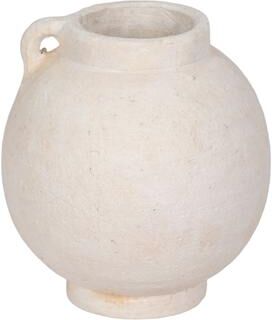
Sagebrook Home Handcrafted Terracotta Pottery Round Vase Modern Visual InterestThis small vase brings contemporary charm to any setting with its handcrafted pottery design and subtly textured terracotta finish, making it a standout among decorative home accents.42,56 $*Shipping: 0,00 $Secure redirect to the provider




-
Are conductors unnecessary?
No, conductors are not unnecessary. Conductors play a crucial role in leading and coordinating musical performances, ensuring that all musicians are in sync and following the same interpretation of the music. They also provide guidance and direction to the ensemble, shaping the overall sound and dynamics of the performance. Additionally, conductors often bring a deep understanding of the music and can offer valuable insights and interpretations to the musicians. Overall, conductors are an essential part of the musical experience and contribute significantly to the quality of a performance. **
-
Are conductors useless?
No, conductors are not useless. Conductors play a crucial role in leading and coordinating the musicians in an orchestra or ensemble. They are responsible for setting the tempo, interpreting the music, and ensuring that all musicians are playing together harmoniously. Conductors also provide artistic direction and bring their own interpretation to the music being performed. Their leadership and guidance are essential in creating a cohesive and polished musical performance. **
-
What are conductors for?
Conductors are materials that allow the flow of electric current. They are used to transmit electricity from power plants to homes and businesses through power lines. Conductors are also used in electrical wiring within buildings to connect electrical devices and appliances to power sources. In addition, conductors are used in electronic circuits to carry signals and power between components. **
-
Do you know of any other cold conductors or hot conductors besides copper?
Yes, silver is another cold conductor that is commonly used in electrical applications due to its high conductivity. In terms of hot conductors, materials like tungsten and molybdenum are known for their ability to withstand high temperatures and are used in applications such as light bulb filaments and high-temperature furnaces. Additionally, materials like carbon nanotubes and graphene have shown promise as high-temperature conductors in recent research. **


Are balloons conductors or insulators?
Balloons are insulators. They are typically made of materials like rubber or latex, which are poor conductors of electricity. This means that balloons do not allow electricity to flow through them easily, making them insulators. It is important to note that metallic balloons or those coated with metallic paint may conduct electricity. **
What are conductors and insulators?
Conductors are materials that allow the flow of electric current through them with little resistance. They typically have free electrons that can move easily within the material, allowing the flow of electricity. Common examples of conductors include metals like copper and aluminum. Insulators, on the other hand, are materials that do not allow the flow of electric current through them. They have tightly bound electrons that do not move easily, preventing the flow of electricity. Insulators are used to protect against electric shock and to prevent the loss of electrical energy. Examples of insulators include rubber, plastic, and glass. **
Top-Angebote
Products related to Conductors:
-
Sagebrook Home Handcrafted Terracotta Pottery Round Vase Modern Visual InterestThis small vase brings contemporary charm to any setting with its handcrafted pottery design and subtly textured terracotta finish, making it a standout among decorative home accents.40,45 $*Shipping: 0,00 $Secure redirect to the provider
-
Simon & Schuster Money: A Story of Humanity by David McWilliams Economic History & Global Finance ExplainedIn Money: A Story of Humanity, renowned economist David McWilliams explores the fascinating history of money — not just as currency, but as a powerful force that has shaped human civilisation, relationships, technology, and global society. From ancient barter systems to cryptocurrency revolutions, McWilliams reveals how money reflects our values, ambitions, fears, politics, and culture.Rich with storytelling, sharp insights, and humour, this book makes complex economic ideas accessible, engaging, and deeply human. Perfect for readers who enjoy exploring how history, psychology, markets, and power intersect, Money: A Story of Humanity provides a fresh, eye-opening look at how money drives — and is driven by — human behaviour. Ideal for fans of Yuval Noah Harari, Tim Harford, Niall Ferguson, and Mary Beard.7,99 £*Shipping: 2,99 £Secure redirect to the provider
-
What are neutral conductors? What are live conductors?
Neutral conductors are wires that carry current back to the power source in an electrical circuit. They are typically colored white or gray and are connected to the ground to prevent electric shock. Live conductors, on the other hand, carry current from the power source to the electrical devices. They are usually colored black, red, or another color other than white or green to distinguish them from neutral conductors. Live conductors are the ones that pose a risk of electric shock if not handled properly. **
-
What are N conductors? What are P conductors?
N conductors are materials that have an excess of negative charge carriers, such as electrons, allowing them to conduct electricity. Examples of N conductors include metals like copper and aluminum. On the other hand, P conductors are materials that have an excess of positive charge carriers, such as holes, which also allow them to conduct electricity. Semiconductors like silicon and germanium are examples of P conductors. **
-
Are conductors unnecessary?
No, conductors are not unnecessary. Conductors play a crucial role in leading and coordinating musical performances, ensuring that all musicians are in sync and following the same interpretation of the music. They also provide guidance and direction to the ensemble, shaping the overall sound and dynamics of the performance. Additionally, conductors often bring a deep understanding of the music and can offer valuable insights and interpretations to the musicians. Overall, conductors are an essential part of the musical experience and contribute significantly to the quality of a performance. **
-
Are conductors useless?
No, conductors are not useless. Conductors play a crucial role in leading and coordinating the musicians in an orchestra or ensemble. They are responsible for setting the tempo, interpreting the music, and ensuring that all musicians are playing together harmoniously. Conductors also provide artistic direction and bring their own interpretation to the music being performed. Their leadership and guidance are essential in creating a cohesive and polished musical performance. **
Similar search terms for Conductors
-
Cables Direct 30m CAT5E Budget CCA Patch Cable (Black)Our budget-friendly 10/100 network cables deliver high performance at a lower cost, maintaining 4 unshielded twisted pairs. Note that while this meets CAT5e specifications, it uses CCA and is not suitable for POE applications.15,99 £*Shipping: 0,00 £Secure redirect to the provider
-
Sagebrook Home Handcrafted Terracotta Pottery Round Vase Modern Visual InterestThis small vase brings contemporary charm to any setting with its handcrafted pottery design and subtly textured terracotta finish, making it a standout among decorative home accents.42,56 $*Shipping: 0,00 $Secure redirect to the provider
-
Sagebrook Home Handcrafted Terracotta Pottery Round Vase Modern Visual InterestThis small vase brings contemporary charm to any setting with its handcrafted pottery design and subtly textured terracotta finish, making it a standout among decorative home accents.65,99 $*Shipping: 0,00 $Secure redirect to the provider
-
Sagebrook Home Handcrafted Terracotta Pottery Round Vase Modern Visual InterestThis small vase brings contemporary charm to any setting with its handcrafted pottery design and subtly textured terracotta finish, making it a standout among decorative home accents.37,49 $*Shipping: 0,00 $Secure redirect to the provider
-
What are conductors for?
Conductors are materials that allow the flow of electric current. They are used to transmit electricity from power plants to homes and businesses through power lines. Conductors are also used in electrical wiring within buildings to connect electrical devices and appliances to power sources. In addition, conductors are used in electronic circuits to carry signals and power between components. **
-
Do you know of any other cold conductors or hot conductors besides copper?
Yes, silver is another cold conductor that is commonly used in electrical applications due to its high conductivity. In terms of hot conductors, materials like tungsten and molybdenum are known for their ability to withstand high temperatures and are used in applications such as light bulb filaments and high-temperature furnaces. Additionally, materials like carbon nanotubes and graphene have shown promise as high-temperature conductors in recent research. **
-
Are balloons conductors or insulators?
Balloons are insulators. They are typically made of materials like rubber or latex, which are poor conductors of electricity. This means that balloons do not allow electricity to flow through them easily, making them insulators. It is important to note that metallic balloons or those coated with metallic paint may conduct electricity. **
-
What are conductors and insulators?
Conductors are materials that allow the flow of electric current through them with little resistance. They typically have free electrons that can move easily within the material, allowing the flow of electricity. Common examples of conductors include metals like copper and aluminum. Insulators, on the other hand, are materials that do not allow the flow of electric current through them. They have tightly bound electrons that do not move easily, preventing the flow of electricity. Insulators are used to protect against electric shock and to prevent the loss of electrical energy. Examples of insulators include rubber, plastic, and glass. **
* All prices are inclusive of VAT and, if applicable, plus shipping costs. The offer information is based on the details provided by the respective shop and is updated through automated processes. Real-time updates do not occur, so deviations can occur in individual cases. ** Note: Parts of this content were created by AI.