Buy debt.me.uk ?
We are moving the project
debt.me.uk .
Are you interested in purchasing the domain
debt.me.uk ?
domain@kv-gmbh.de · 0541-91531010
Buy debt.me.uk ?
What is Kant's categorical imperative?
Kant's categorical imperative is a moral principle that states that one should act only according to rules that they would be willing to see universally followed. In other words, it is a command that applies to all rational beings, regardless of their personal desires or circumstances. Kant believed that this principle provides a basis for determining what is morally right or wrong, as it focuses on the intention behind an action rather than the consequences. Ultimately, the categorical imperative serves as a guide for individuals to act in a way that respects the inherent dignity and autonomy of all individuals. **
Is the categorical imperative rigorous?
Yes, the categorical imperative is considered to be rigorous because it provides a clear and universal moral principle that applies to all rational beings. It demands that individuals act according to principles that could be willed as universal laws, and it requires individuals to treat others as ends in themselves, rather than as means to an end. This rigorous framework helps to guide moral decision-making and promote ethical behavior. **


Similar search terms for Categorical
Top-Angebote
Products related to Categorical:
-
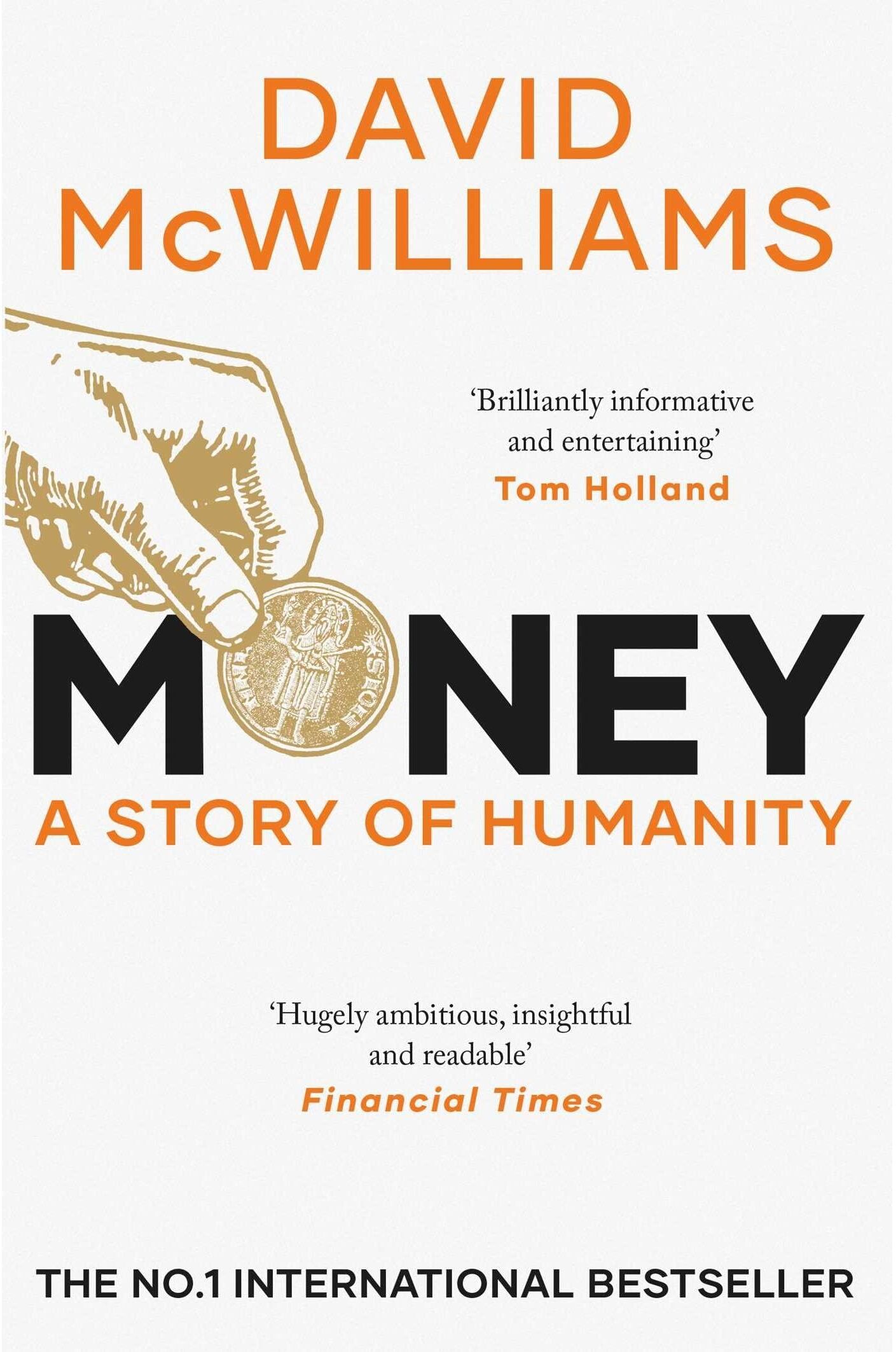
Simon & Schuster Money: A Story of Humanity by David McWilliams Economic History & Global Finance ExplainedIn Money: A Story of Humanity, renowned economist David McWilliams explores the fascinating history of money — not just as currency, but as a powerful force that has shaped human civilisation, relationships, technology, and global society. From ancient barter systems to cryptocurrency revolutions, McWilliams reveals how money reflects our values, ambitions, fears, politics, and culture.Rich with storytelling, sharp insights, and humour, this book makes complex economic ideas accessible, engaging, and deeply human. Perfect for readers who enjoy exploring how history, psychology, markets, and power intersect, Money: A Story of Humanity provides a fresh, eye-opening look at how money drives — and is driven by — human behaviour. Ideal for fans of Yuval Noah Harari, Tim Harford, Niall Ferguson, and Mary Beard.7,99 £*Shipping: 2,99 £Secure redirect to the provider
-
Cables Direct 30m CAT5E Budget CCA Patch Cable (Black)Our budget-friendly 10/100 network cables deliver high performance at a lower cost, maintaining 4 unshielded twisted pairs. Note that while this meets CAT5e specifications, it uses CCA and is not suitable for POE applications.15,99 £*Shipping: 0,00 £Secure redirect to the provider
-
Sagebrook Home Handcrafted Terracotta Pottery Round Vase Modern Visual InterestThis small vase brings contemporary charm to any setting with its handcrafted pottery design and subtly textured terracotta finish, making it a standout among decorative home accents.42,56 $*Shipping: 0,00 $Secure redirect to the provider



-
Can you urgently help me understand Kant's categorical imperative?
Of course! Kant's categorical imperative is a moral principle that states that an action is only morally right if we can will that everyone else should act in the same way in a similar situation. In other words, it emphasizes the importance of acting out of a sense of duty and universalizing our actions. This means that we should always act in a way that respects the dignity and autonomy of others, regardless of our personal desires or circumstances. I hope this helps clarify the concept for you! **
-
What exactly is a categorical imperative?
A categorical imperative is a moral principle that is unconditional and applies to all rational beings, regardless of their desires or circumstances. It is a command that is derived from reason and applies to all moral agents universally. In other words, it is a rule that one must follow simply because it is the right thing to do, without any consideration of personal gain or consequences. This concept was developed by the philosopher Immanuel Kant as a way to establish a foundation for moral duties and obligations. **
-
What is Immanuel Kant's categorical imperative?
Immanuel Kant's categorical imperative is a moral principle that states that one should act in a way that they would want everyone else to act in similar circumstances. It emphasizes the importance of universalizing one's actions and treating others as ends in themselves, rather than as a means to an end. Kant believed that this principle provides a basis for determining what is morally right or wrong, and that it is a fundamental aspect of moral reasoning. **
-
Could you please help me with Immanuel Kant's categorical imperative?
Of course! Immanuel Kant's categorical imperative is a moral principle that states that one should only act in a way that they would want everyone else to act in the same situation. In other words, it emphasizes universalizability and treating others as ends in themselves, rather than as means to an end. This principle helps individuals determine whether an action is morally right or wrong by considering if it can be applied consistently to all people in similar circumstances. Overall, the categorical imperative serves as a guide for making ethical decisions based on reason and universal moral principles. **


Is the categorical imperative still relevant today?
Yes, the categorical imperative, as proposed by Immanuel Kant, is still relevant today. Its fundamental principle of treating others as ends in themselves rather than as means to an end is a timeless ethical concept that can guide moral decision-making in various contexts. In a world where ethical dilemmas and moral ambiguity are prevalent, the categorical imperative provides a clear and universal framework for determining right from wrong. Its emphasis on rationality and consistency in moral reasoning remains valuable in contemporary society. **
What is the categorical imperative regarding suicide?
The categorical imperative regarding suicide is that one should never treat themselves merely as a means to an end, but always as an end in themselves. This means that individuals should not take their own lives as a means to escape suffering or difficulties, but should instead consider their intrinsic value and worth as a human being. Suicide is seen as a violation of this principle because it involves treating oneself as a mere means to end one's suffering, rather than recognizing one's inherent dignity and worth. **
Top-Angebote
Products related to Categorical:
-
Sagebrook Home Handcrafted Terracotta Pottery Round Vase Modern Visual InterestThis small vase brings contemporary charm to any setting with its handcrafted pottery design and subtly textured terracotta finish, making it a standout among decorative home accents.40,45 $*Shipping: 0,00 $Secure redirect to the provider
-
Simon & Schuster Money: A Story of Humanity by David McWilliams Economic History & Global Finance ExplainedIn Money: A Story of Humanity, renowned economist David McWilliams explores the fascinating history of money — not just as currency, but as a powerful force that has shaped human civilisation, relationships, technology, and global society. From ancient barter systems to cryptocurrency revolutions, McWilliams reveals how money reflects our values, ambitions, fears, politics, and culture.Rich with storytelling, sharp insights, and humour, this book makes complex economic ideas accessible, engaging, and deeply human. Perfect for readers who enjoy exploring how history, psychology, markets, and power intersect, Money: A Story of Humanity provides a fresh, eye-opening look at how money drives — and is driven by — human behaviour. Ideal for fans of Yuval Noah Harari, Tim Harford, Niall Ferguson, and Mary Beard.7,99 £*Shipping: 2,99 £Secure redirect to the provider
-
What is Kant's categorical imperative?
Kant's categorical imperative is a moral principle that states that one should act only according to rules that they would be willing to see universally followed. In other words, it is a command that applies to all rational beings, regardless of their personal desires or circumstances. Kant believed that this principle provides a basis for determining what is morally right or wrong, as it focuses on the intention behind an action rather than the consequences. Ultimately, the categorical imperative serves as a guide for individuals to act in a way that respects the inherent dignity and autonomy of all individuals. **
-
Is the categorical imperative rigorous?
Yes, the categorical imperative is considered to be rigorous because it provides a clear and universal moral principle that applies to all rational beings. It demands that individuals act according to principles that could be willed as universal laws, and it requires individuals to treat others as ends in themselves, rather than as means to an end. This rigorous framework helps to guide moral decision-making and promote ethical behavior. **
-
Can you urgently help me understand Kant's categorical imperative?
Of course! Kant's categorical imperative is a moral principle that states that an action is only morally right if we can will that everyone else should act in the same way in a similar situation. In other words, it emphasizes the importance of acting out of a sense of duty and universalizing our actions. This means that we should always act in a way that respects the dignity and autonomy of others, regardless of our personal desires or circumstances. I hope this helps clarify the concept for you! **
-
What exactly is a categorical imperative?
A categorical imperative is a moral principle that is unconditional and applies to all rational beings, regardless of their desires or circumstances. It is a command that is derived from reason and applies to all moral agents universally. In other words, it is a rule that one must follow simply because it is the right thing to do, without any consideration of personal gain or consequences. This concept was developed by the philosopher Immanuel Kant as a way to establish a foundation for moral duties and obligations. **
Similar search terms for Categorical
-
Cables Direct 30m CAT5E Budget CCA Patch Cable (Black)Our budget-friendly 10/100 network cables deliver high performance at a lower cost, maintaining 4 unshielded twisted pairs. Note that while this meets CAT5e specifications, it uses CCA and is not suitable for POE applications.15,99 £*Shipping: 0,00 £Secure redirect to the provider
-
Sagebrook Home Handcrafted Terracotta Pottery Round Vase Modern Visual InterestThis small vase brings contemporary charm to any setting with its handcrafted pottery design and subtly textured terracotta finish, making it a standout among decorative home accents.42,56 $*Shipping: 0,00 $Secure redirect to the provider
-
Sagebrook Home Handcrafted Terracotta Pottery Round Vase Modern Visual InterestThis small vase brings contemporary charm to any setting with its handcrafted pottery design and subtly textured terracotta finish, making it a standout among decorative home accents.65,99 $*Shipping: 0,00 $Secure redirect to the provider
-
Sagebrook Home Handcrafted Terracotta Pottery Round Vase Modern Visual InterestThis small vase brings contemporary charm to any setting with its handcrafted pottery design and subtly textured terracotta finish, making it a standout among decorative home accents.37,49 $*Shipping: 0,00 $Secure redirect to the provider
-
What is Immanuel Kant's categorical imperative?
Immanuel Kant's categorical imperative is a moral principle that states that one should act in a way that they would want everyone else to act in similar circumstances. It emphasizes the importance of universalizing one's actions and treating others as ends in themselves, rather than as a means to an end. Kant believed that this principle provides a basis for determining what is morally right or wrong, and that it is a fundamental aspect of moral reasoning. **
-
Could you please help me with Immanuel Kant's categorical imperative?
Of course! Immanuel Kant's categorical imperative is a moral principle that states that one should only act in a way that they would want everyone else to act in the same situation. In other words, it emphasizes universalizability and treating others as ends in themselves, rather than as means to an end. This principle helps individuals determine whether an action is morally right or wrong by considering if it can be applied consistently to all people in similar circumstances. Overall, the categorical imperative serves as a guide for making ethical decisions based on reason and universal moral principles. **
-
Is the categorical imperative still relevant today?
Yes, the categorical imperative, as proposed by Immanuel Kant, is still relevant today. Its fundamental principle of treating others as ends in themselves rather than as means to an end is a timeless ethical concept that can guide moral decision-making in various contexts. In a world where ethical dilemmas and moral ambiguity are prevalent, the categorical imperative provides a clear and universal framework for determining right from wrong. Its emphasis on rationality and consistency in moral reasoning remains valuable in contemporary society. **
-
What is the categorical imperative regarding suicide?
The categorical imperative regarding suicide is that one should never treat themselves merely as a means to an end, but always as an end in themselves. This means that individuals should not take their own lives as a means to escape suffering or difficulties, but should instead consider their intrinsic value and worth as a human being. Suicide is seen as a violation of this principle because it involves treating oneself as a mere means to end one's suffering, rather than recognizing one's inherent dignity and worth. **
* All prices are inclusive of VAT and, if applicable, plus shipping costs. The offer information is based on the details provided by the respective shop and is updated through automated processes. Real-time updates do not occur, so deviations can occur in individual cases. ** Note: Parts of this content were created by AI.